
A disposable glove under a reusable glove can simplify contamination control, but it does not automatically improve protection against cuts, chemicals, electricity or heat. By matching the glove arrangement to the task, checking fit and skin condition, and requiring tested performance data, you can decide when layering helps and when it creates a new failure point.
Key takeaways
- Use inner disposable gloves for contamination control, not as chemical or cut protection.
- Match the outer glove to concrete, chemicals, sharp edges, heat and grip demands.
- Replace wet, torn, contaminated or loose gloves before continuing work.
- Specify glove material, hazard rating, size, cuff length and replacement method when buying.
When does wearing both gloves improve construction work?
Wearing both gloves improves construction work only when layering solves a contamination problem without changing the required hazard protection. Put a disposable glove inside a reusable rubber glove when sweat, dirt or light contamination must stay off the outer glove and changeovers need to be faster.
A disposable glove outside can keep a reusable glove clean during low-abrasion tasks, but it is not a substitute for tested mechanical protection.
| Arrangement | Appropriate use | Main condition |
|---|---|---|
| Disposable inside rubber glove | Sweat, dirt and light contamination control | Inner glove lies flat; outer glove keeps grip, movement and cuff coverage |
| Disposable outside reusable glove | Low-abrasion, clean handling | Outer disposable layer must not tear, slide or reduce grip |
| One correctly rated glove | Cutting, puncture, impact, electrical or heat hazards | Fit and tested rating matter more than adding a thin layer |
The inner layer must not bunch between fingers or at the fingertips. The outer glove must allow a full tool grip, finger extension and covered cuffs; two poorly fitting layers can catch, split seams and reduce control.
Layering adds no cut, puncture, impact, electrical or heat protection by itself. The outer glove can fail while the disposable glove remains intact. Thin disposable gloves are contamination barriers or under-gloves, not tested mechanical protection.
If you are comparing rubber hand gloves and disposable hand gloves for construction in nagpur, or searching disposable hand gloves construction in nagpur, choose one correctly rated glove when double-gloving restricts movement, traps sweat or undermines grip.
Which construction tasks need more than a generic rubber glove?
A generic rubber glove is enough only for low-risk handling; it is not a universal construction glove. Match the material and tested claim to the hazard, because rubber hand gloves in Nagpur can mean latex, nitrile, neoprene, PVC or a coated work glove, each with different grip, durability and chemical behaviour.
| Task | Suitable protection | Why a generic rubber glove fails |
|---|---|---|
| Cement, mortar and wet work | Chemical-resistant glove with adequate cuff coverage | Wet cement is alkaline and can cause burns; dirt protection is not slurry protection. |
| Painting, solvents, fuels, epoxy and curing chemicals | Glove tested for each named product | Breakthrough depends on chemical, concentration, temperature, exposure time and glove material. |
| Rebar, sheet metal, glass, demolition debris and cutting | Glove marked under EN 388 or ANSI/ISEA 105 for required abrasion, cut and puncture levels | A disposable glove tears while sharp edges reach the skin. |
| Power tools and material handling | Correct mechanical glove, with grip and impact performance where needed | Loose or thin gloves can catch, split or provide no impact protection. |
| Welding and hot work | Separately tested heat- or flame-resistant glove and sleeve system | Rubber can soften or burn; disposable gloves lose integrity near heat or molten metal. |
Fire-resistant wording does not prove protection against voltage, wet cement, acids, alkalis, solvents, punctures, cuts, molten metal or thermal exposure. Chemical-resistant gloves are not heat-resistant gloves, and neither replaces electrical insulating gloves.
For energized electrical work, specify a separately rated insulating glove system with the required voltage class. Choose one independently rated glove over two untested layers when the task involves cutting, heat, electricity or sharp material.
How can you layer gloves without causing sweat, skin damage or lost grip?
Size the pair on site, not from the packet label. The disposable glove must lie flat at every fingertip and between the fingers; wrinkles bunch, tear and trap sweat. The outer glove must allow a full fist, tool grip and finger extension without seam splitting, restricted movement or excess material that can catch.
| Layer | Fit check | Failure to watch |
|---|---|---|
| Disposable inside | Flat fingertips, finger webs and cuff | Bunching, wetness and reduced dexterity |
| Rubber outside | Full movement with no stretched seams | Slipping grip, caught material or exposed cuff |
| Single rated glove | Secure fit and task-appropriate performance | Safer than two poorly fitting layers |
Impermeable rubber over a disposable glove traps heat and moisture. That macerates skin and raises dermatitis risk, especially during long shifts.
Take safe glove-free breaks, wash hands, dry them thoroughly and replace wet inner gloves. Rotate dry reusable gloves, and use a hand-care programme with suitable moisturiser outside work tasks.
Stop and check the cause if you see whitening or wrinkled skin, burning, itching, redness, cracks, blisters, swelling or persistent dampness. Latex sensitisation can cause itching, hives, redness, facial or hand swelling, wheezing or breathing difficulty; remove the gloves and report symptoms urgently.
Choose suitable non-latex gloves when latex is unnecessary, but nitrile still needs chemical and mechanical compatibility checks. Searches for disposable hand gloves construction in nagpur should end with this site fit test, not a generic size choice.
What should you inspect before each shift or task change?
A glove can look intact and still leak through a pinhole or fail when your hand closes around a tool. Inspect reusable gloves before every shift and repeat the check after contamination or a task change.
1. Hold the glove in good light and inspect both surfaces. Look for pinholes, cuts, cracks, hardening, swelling, tackiness, embedded grit, torn cuffs, delamination and contamination inside the glove.
2. Stretch and flex the glove, including the fingers, palm and cuff. Reject it if a hole opens, the material exposes your hand, the cuff is damaged, or the glove feels degraded, sticky or unusually rigid.
3. Perform only the leak or visual check specified by the manufacturer. Use an approved water- or air-check method when the instructions permit it; never improvise with a solvent, fuel, acid or another hazardous substance.
4. Clean reusable gloves with the method compatible with both the glove material and the contaminant. Dry them completely before storage, and place contaminated gloves in a labelled separate area until they are cleaned or discarded; never return them to general stock.
5. Change disposable gloves immediately after tearing, visible contamination, chemical contact or a task change. Do not wash or reuse them, because cleaning can leave contamination behind or damage the barrier.
Discard any reusable glove that cannot be cleaned without spreading contamination. A clean-looking glove is not serviceable if it fails flexing, inspection or the approved leak check.
How should a Nagpur construction site specify and buy layered gloves?
Write the order around the failure, not “industrial glove.” State the task, substance and hazard: wet cement, release agent, fuel, paint, sealant, cleaning chemical, sharp sheet metal, rebar, demolition debris or energized conductors. Include the packaging quantity and replacement rule.
- Request the material, thickness where relevant, cuff length, powder status, size range and batch traceability.
- Request chemical-compatibility data for each named product, including concentration, temperature and contact time.
- Require the exact EN 388 or ANSI/ISEA 105 marking and performance level, not “heavy duty” wording.
| Option | Ask for | Why it matters |
|---|---|---|
| Electrical work | Voltage class, inspection records and the required leather protector glove | Ordinary rubber gloves do not insulate against energized conductors |
| Welding or hot work | Tested thermal or flame performance, plus compatible sleeves | Disposable or ordinary rubber gloves can burn, soften or fail |
| Mechanical hazards | EN 388 or ANSI/ISEA 105 abrasion, cut, tear, puncture and impact ratings | A contamination barrier will not stop sheet metal, rebar or debris |
A construction safety gloves supplier in Nagpur should help you compare rubber hand gloves and disposable hand gloves for construction in Nagpur by task, not by the vague label “industrial.” Rahul Trading can support that comparison when you bring the site’s product list and hazard assessment.
Before ordering in volume, trial samples on site. Test dry, wet, dusty and oily grips, then check finger movement, cuff coverage, tearing and tool control.
Layer only when contamination control justifies it, and only when the outer glove independently meets the hazard.
Related products
 | Rubber Hand Gloves Usage/Application Industrial Color Orange Type Flock lined Pattern Plain Country of Origin Made in India These Fire Resistant Hand Gloves have been... View product → |
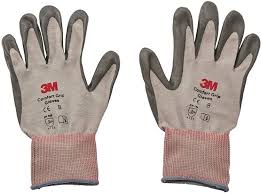 | 3M CGXL GU Comfort Grip Hand Gloves 3M CGXL GU Comfort Grip Hand Gloves Model Name/Number CGM-GU Material Nitrite Foam / Nylon Fiber Color Grey And Black Categories Safety Gloves Size Large Brand 3M Type Full Finger... View product → |
Frequently asked questions
When do rubber and disposable gloves work better together on a construction site?
Use a disposable glove inside a reusable rubber glove when you need to keep sweat, dirt or light contamination off the outer glove and speed up changeovers. Do not treat the disposable layer as extra protection unless its stated rating covers the hazard.
Which construction tasks need more than a generic rubber glove?
Concrete and cement work, solvent or chemical handling, sharp materials, hot surfaces and tasks needing a secure grip require gloves selected for the specific hazard. Check chemical compatibility, cut resistance, heat resistance, cuff length and grip rather than buying a generic rubber glove.
How can you layer gloves without causing sweat, skin damage or lost grip?
Choose correctly sized gloves, keep the inner glove smooth, avoid trapped folds, change wet disposables promptly and allow hands to dry during breaks. Test the layered combination for tool control before starting production work.
What should you inspect before each shift or task change?
Check for tears, pinholes, hardening, swelling, contamination, loose cuffs, damaged seams and loss of grip. Replace gloves after contamination, damage or a change to a hazard that the current combination does not cover.
How should a Nagpur construction site specify and buy layered gloves?
State the task, hazard, glove material, size range, cuff length, required standard or rating, grip requirement, disposable glove thickness and replacement frequency. Ask a construction safety gloves supplier in Nagpur for samples and verify the product label, batch details and test documentation before purchase.
Related products
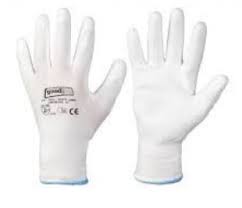 | Goodjob White Grip 0701 PU Coated Knitted Hand Gloves Goodjob White Grip 0701 PU Coated Knitted Hand Gloves Country of Origin Made in India Brand Good Job Color White Type Full Finger Standard EN 388(4.1.3.1), CE Liner 100% Polyester Coating... View product → |
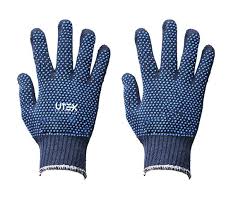 | Cotton Knitted Hand Gloves Color Blue Material Knitted Cotton Size Large Usage/Application Safety Type Full Finger Country of Origin Made in India Cotton Knit Gloves are... View product → |
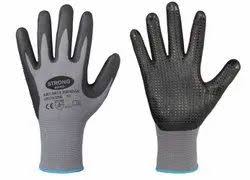 | Stronghand 0613 Handan Working Gloves Stronghand 0613 Handan Working Gloves Size Medium Finger Type Full Fingered Cuff Length 7 inch Color Black And Grey Brand Stronghand Material 90% Nylon, 10% Lycra Country of Origin Made... View product → |
Keywords