A fire safety helmet is not automatically a structural firefighting helmet, and a standard hard hat is not automatically suitable for every hot-work or emergency-response task. By the end, you will be able to match the helmet to the hazard, read its markings, check its condition, wear it correctly and avoid unsafe accessory combinations.
Key takeaways
- Match the helmet to impact, heat, flame and electrical hazards at your workplace.
- Distinguish IS 2925 industrial helmets from IS 2745 helmets for firemen.
- Check the standard, rating, manufacture date, markings and accessories before purchase.
- Inspect the shell, suspension, fit and complete worn system before each shift.
What a fire safety helmet protects against—and what makes it different
A fire safety helmet is head protection selected and tested for specified hazards such as impact, penetration, falling objects, flying particles, heat, flame or electrical contact. “Fire safety helmet” alone is not a specification: Indian buyers should distinguish IS 2925, commonly used for industrial safety helmets, from IS 2745, associated with helmets for firemen.
Industrial fire safety equipment must match the task, not the label.
| Type | Main protection | What makes it different |
|---|---|---|
| Industrial safety helmet | Impact, penetration and, on marked models, electrical protection | IS 2925 is commonly used in India; ANSI Z89.1 Class G covers up to 2,200 volts, Class E up to 20,000 volts, and Class C provides no electrical protection |
| Welding helmet | Welding arc, ultraviolet and infrared radiation, sparks | Its dark filter protects vision during welding; it is not a general substitute for an impact-rated safety helmet |
| Structural fire helmet | Impact, penetration, heat and flame during interior fire attack | A fire-service design associated with IS 2745; it is not automatically suitable for every factory task |
| Bump cap | Minor contact with fixed objects | It does not replace a certified safety helmet where falling or flying objects are possible |
A shell does not protect your eyes, face, lungs, hearing, hands, feet or body. Use separately rated goggles or a face shield for particles, molten metal and chemical splash, plus compatible clothing, gloves, footwear and respiratory protection for fire response.
Do not paint, drill, add unapproved stickers or fit incompatible accessories; these changes can weaken the shell, hide markings or compromise the suspension.
Match the helmet to the factory hazard, not the word “fire”
Start with the hazard assessment, not the product label. Head protection is justified where workers face falling or flying objects, impact, penetration, electrical shock or burns. A fire helmet for factory workers in Nagpur is appropriate only when its tested performance matches that exposure; the word “fire” proves nothing by itself.
| Factory condition | Suitable head-protection direction | Protection still required |
|---|---|---|
| Routine production, maintenance or warehouse work | Industrial helmet selected for impact, penetration and electrical class | Goggles or face shield for particles, face protection for splash, hearing and respiratory protection where assessed |
| Hot work, foundry or molten-metal handling | Helmet with the specified heat, flame or molten-metal performance | Separately rated eye and face protection, heat-resistant clothing, gloves and footwear |
| Electrical work | Helmet marked for the required electrical class: ANSI Z89.1 Class G up to 2,200 volts, Class E up to 20,000 volts, or Class C with no electrical protection | Insulated tools, arc-rated clothing, gloves and task-specific face protection |
| Interior structural firefighting | Structural firefighting helmet used by trained emergency responders | Complete ensemble: protective clothing, gloves, footwear, eye and face protection, and respiratory protection |
A shell does not stop chemical splashes, flying fragments, radiant heat to the face, molten metal reaching the neck, or smoke entering the lungs. It is also insufficient for fire entry on its own: structural fire conditions demand coordinated equipment, training and atmospheric protection.
Specify an industrial helmet for factory work unless the hazard assessment and certification require a firefighting helmet.
Read the standard, rating and markings before you specify one
A product described as a “fire safety helmet” proves nothing until its standard, tested hazards and markings match your workplace. For an industrial safety helmet in nagpur, the city of purchase is irrelevant; documented performance is what establishes suitability.
1. Identify the applicable standard. IS 2925 covers industrial safety helmets, while IS 2745 is associated with helmets for firemen. Do not approve a helmet labelled only “fire safety” without the standard number, helmet type and manufacturer’s model reference.
2. Match the rating to the hazard assessment. Check markings or the technical sheet for impact and penetration performance, electrical protection, heat or flame resistance, molten-metal splash and the temperature or exposure limits actually tested. An electrical class, such as a stated voltage rating, must be declared rather than assumed.
3. Verify the evidence. Request a certificate or test report that names the exact model, standard edition, manufacturer and test results. Check the BIS licence or certification record where the claimed Indian standard requires it; a generic catalogue certificate is weak evidence.
4. Confirm the complete system. The retention strap, visor, neck guard, ear protection and other accessories must be approved for that shell. Painting, drilling, stickers and unapproved attachments can damage the shell or hide critical markings, so follow the manufacturer’s restrictions.
5. Record the inspection and replacement programme. Use the manufacturer’s service limits and inspection findings, not a universal expiry claim, to decide when helmets leave service.
Inspect, fit and accessorise the complete worn system
A fire safety helmet in Nagpur is safe to wear only when its shell, suspension, retention system and attachments work as one approved configuration. Inspect it before every shift, after impact, and after exposure to flame, molten material or intense heat.
- Check the shell for cracks, deformation, brittleness, burn marks, chemical damage, drilled holes and unauthorised paint or stickers.
- Check the suspension for torn straps, loose stitching, stretched material and broken attachment points.
- Confirm that the chinstrap fastens securely and that the buckle releases as designed.
- Adjust the headband so the helmet sits level, does not rock, and leaves the manufacturer’s required clearance above your head.
- Replace the helmet after a damaging impact or when the manufacturer’s inspection criteria or service life says to remove it.
Fit every accessory while the helmet is being worn. Face shields, hearing protectors, welding shields, goggles, respirators and communication equipment can create gaps, restrict vision, loosen the helmet or snag on machinery. Use only parts approved for that helmet model, and test the full combination during the actual task.
Do not drill, cut, paint or attach unapproved stickers to the shell. These changes can weaken it, hide identification markings or interfere with the suspension.
If an accessory prevents a correct fit, blocks the face shield, breaks the seal of a respirator or catches on equipment, remove it and select a compatible system rather than improvising.
Turn a local purchase into a documented safety decision
Before approving a local purchase, ask for a written specification tied to the job, not a catalogue label. “Fire safety helmet in Nagpur” describes availability; it does not prove protection. The same applies to an industrial safety helmet in Nagpur or a fire helmet for factory workers in Nagpur.
1. Ask for the exact model, helmet type, applicable standard and certification evidence. Check whether it is an industrial helmet under IS 2925 or a fire-fighter helmet under IS 2745 or another named standard.
2. Ask the supplier to state the tested hazards: impact, penetration, flame, radiant heat, molten-metal splash and electrical contact. Treat electrical protection separately; ANSI Z89.1 Class G covers up to 2,200 volts, Class E up to 20,000 volts and Class C provides none.
3. Request the manufacturer’s marking photograph, technical datasheet, user instructions, batch or lot identification and certificate or test report for the offered model. Record these against the purchase order.
4. Confirm that the retention system, visor, hearing protection, neck protection and communication accessories are approved for that helmet. Reject drilling, painting, unapproved stickers or improvised attachments that could damage the shell or suspension.
5. Ask for the inspection method, service life, storage conditions, replacement triggers and written confirmation of whether the helmet suits routine work or trained structural-fire response.
Whether you evaluate Rahul Trading or another vendor, keep this evidence with the risk assessment, worker training record and issue register. That file turns a local order into a defensible safety decision.
Related products
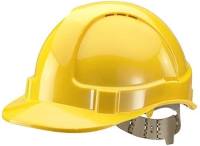 | Fire Safety Helmet Usage/Application Fire Safety, Industrial Gender Men Color Yellow Country of Origin Made in India Made of specially formulated polymer with triple... View product → |
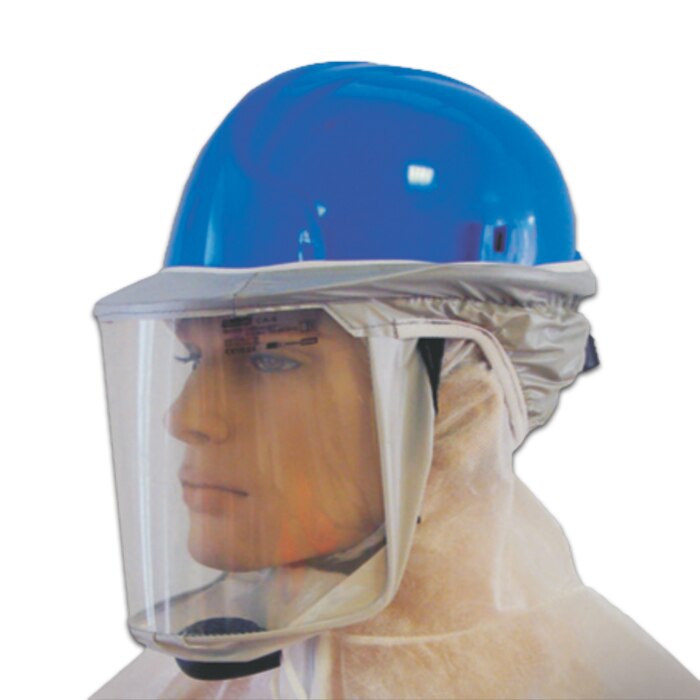 | Safety Helmet CA4 for Indl-Engg. Item# 13040 Safety Helmet CA4 for Indl-Engg. Item# 13040 Engineering & Mining Welding, Sand Blasting, Powder coating, Buffing, Painting, Cutting, Drilling Petrochemicals Unventilated areas Paints Paint... View product → |
Frequently asked questions
What is a fire safety helmet?
It is head protection tested for defined hazards such as impact, penetration, falling objects, heat, flame or electrical contact. The phrase alone is not a specification.
Which Indian standards apply to fire safety helmets?
IS 2925 is commonly used for industrial safety helmets, while IS 2745 is associated with helmets for firemen. Confirm the standard printed on the helmet and in its documentation.
How do you choose a helmet for factory workers?
Identify the actual hazards first, then compare the helmet’s impact, penetration, heat, flame and electrical ratings with those hazards. Do not choose by the word “fire” alone.
What should you inspect before wearing a safety helmet?
Check the shell for cracks, deformation, cuts, chemical damage and excessive wear. Check the suspension, chin strap, adjustment system, markings and accessories, then confirm a secure fit.
Keywords