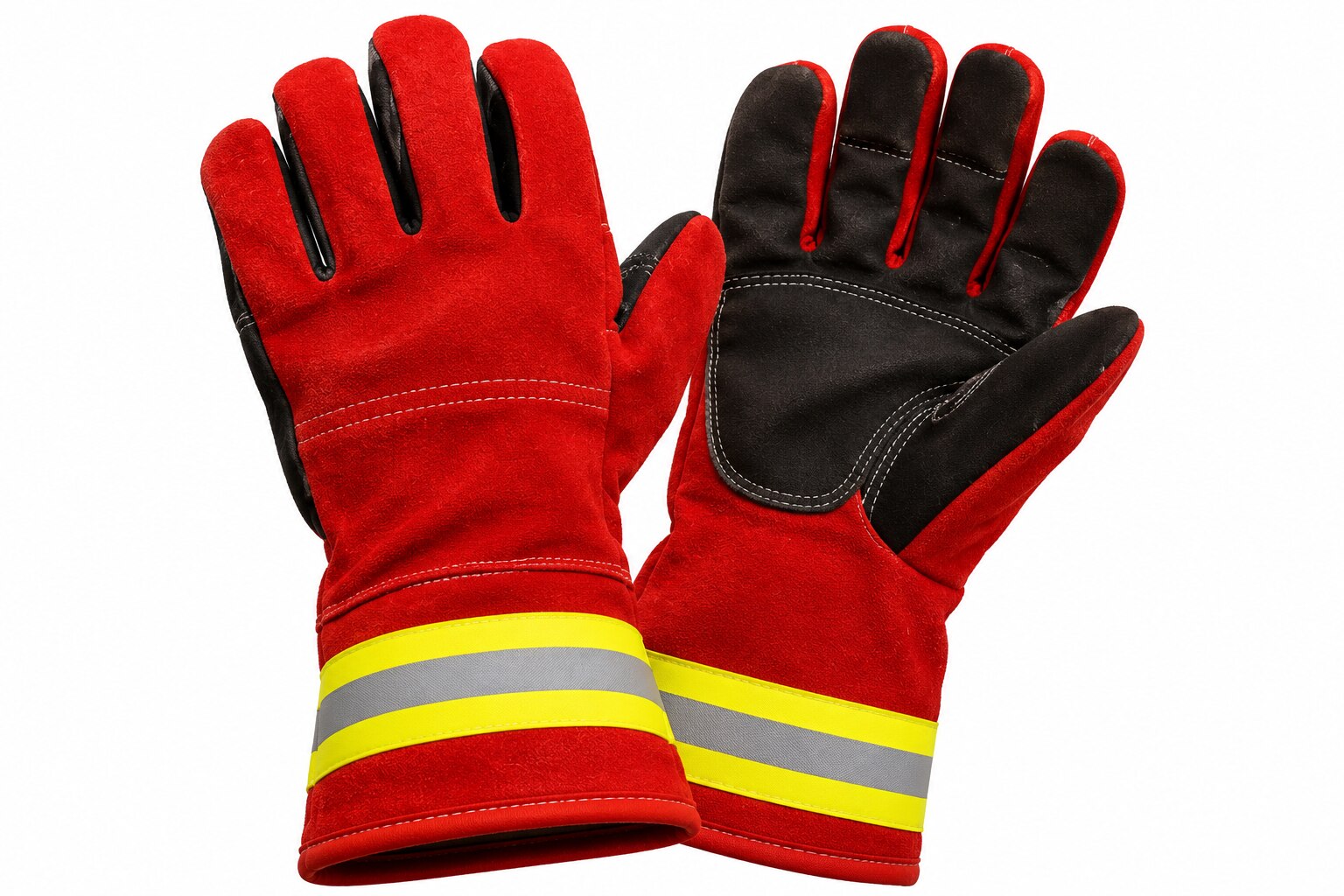
A glove that feels comfortable in a showroom may lose grip on a wet valve wheel, tear on a rusted edge or provide no protection from a chemical used during maintenance. Before ordering, you will be able to match each hydrant task to the required protection, verify the 3M model and size, and set acceptance checks for the supplier and delivered stock.
Key takeaways
- Match gloves to cuts, abrasion, grip, wet work and contamination risks.
- Verify the exact 3M model, size, cuff and performance markings before ordering.
- Test grip and dexterity with wet hoses, spanners and hydrant handwheels.
- Require samples, batch records and replacement rules before accepting stock.
Match the glove to the hydrant task and hand hazard
Start with the task, not the glove label. Record whether workers will turn handwheels, couple hoses, use spanners, clear debris, handle nozzles, inspect pumps or work near extinguishers.
Then identify the hand hazards: wet surfaces, oil or grease, rust, abrasion, sharp wire or sheet-metal edges, punctures, cleaning chemicals, hot water, steam, hot pipework and possible electrical contact.
| Hydrant-system task | Hazards to identify | Protection question |
|---|---|---|
| Valve operation and inspection | Wet or oily handwheels, pinch points, abrasion, loss of grip | Does the glove grip the wheel without reducing dexterity? |
| Hose and coupling work | Wet rubber, threaded metal, sharp edges, pinch points | Does it resist abrasion and cuts while maintaining wet grip? |
| Nozzle and spanner handling | Impact, puncture, rough metal, tool slip | Does it protect against punctures and let the worker control tools? |
| Debris or damaged pipework | Rust, splinters, wire and sharp sheet metal | Is cut and puncture resistance needed above a general-purpose glove? |
| Pump-room or cleaning work | Oil, grease, disinfectants or other chemicals | Does the chemical require a separately selected glove? |
| Hot-work response or hot equipment | Hot water, steam, radiant heat or hot pipework | Is stated thermal protection required at the measured temperature? |
| Electrical exposure | Energised parts during testing or maintenance | Is certified electrical insulation required instead of an ordinary work glove? |
A “fire-resistant” or “industrial” claim does not answer these questions, and a comfort-grip glove is not a firefighting glove or a voltage-rated electrical glove. Use a task-based glove matrix; one universal SKU can leave workers unprotected during cleaning, sharp-metal handling or electrical work.
Read the performance markings instead of trusting “industrial” or “fire-resistant”
“Industrial” and “fire-resistant” prove nothing by themselves. Read the complete marking and match it to the exposure. For a purchase search such as 3m comfort grip gloves for fire hydrant system work in nagpur, confirm the exact catalogue number, size, coating and cuff construction rather than treating “Comfort Grip” as a protection rating.
| Hazard | Evidence to require | What it proves |
|---|---|---|
| Abrasion | EN 388:2016 abrasion rating | Resistance to rubbing from hose couplings, tools and rough valve surfaces |
| Cuts | EN 388:2016 blade-cut result plus ISO 13997 result | Resistance to sharp edges; abrasion performance does not replace cut protection |
| Punctures | EN 388:2016 puncture rating | Resistance to pointed objects such as wire, burrs and damaged metal |
| Heat | EN 407 marking and stated contact, radiant or convective temperature | Suitability for hot pipework, hot water or heat exposure; it does not make a glove a firefighting glove |
| Chemicals | EN ISO 374-1 chemical type and breakthrough-time data | Resistance to named cleaning chemicals; nitrile coating alone is not proof |
Record every character in the EN 388 code, including the ISO 13997 letter and impact mark P when shown. Ask for the current technical data sheet and packaging photograph for the quoted 3M CGXL-GU; resolve any mismatch with CGM-GU before ordering. Confirm the stated size range, palm coating and knitted cuff.
Do not use a mechanical comfort-grip glove for electrical insulation. Energised equipment requires gloves selected and tested under the applicable electrical-safety rules.
Reconcile the 3M identity, size and cuff before placing the order
Reconcile the quoted identity, size and cuff against the current 3M package label and technical datasheet before placing the order. A listing may say CGXL GU while the technical record identifies CGM-GU; do not treat those codes as interchangeable until 3M documentation connects them.
- Request the exact manufacturer catalogue number, product photograph, datasheet revision and package label shown on the quotation. Record the batch or lot field that must appear on delivery.
- Confirm what “XL” denotes. It may identify the size, but the datasheet must show the size range and measurement method. Measure representative workers’ hands and order samples rather than assuming one grading system fits every user.
- Confirm what “GU” denotes from the manufacturer’s document. Establish whether it identifies a general-utility version, then verify the liner, palm coating, coating thickness, back material and cuff style.
- Compare the quoted cuff with the workers’ task. A knit wrist, extended cuff and elasticated cuff provide different coverage around hose couplings, rusted pipework and valve wheels.
- Check the declared performance markings and intended use. The code alone does not prove an EN 388 result, ANSI/ISEA 105 rating, chemical resistance, waterproof construction or electrical insulation.
Reject a substitution that changes the liner, coating, cuff or size grading without written approval. Ask a comfort grip hand gloves supplier in Nagpur to identify every difference before accepting stock. Mechanical 3m cgxl gu gloves in nagpur are not voltage-rated electrical gloves; select separate rubber insulating equipment if energized parts are exposed.
Test grip, wet use and contamination under real maintenance conditions
Do not approve a nitrile-foam comfort-grip glove from a dry showroom demonstration. Request samples and repeat the crew’s actual work with wet valve handles, threaded couplings, hose connections and the tools used on site.
- Operate a handwheel after water has run over the glove and cuff.
- Tighten and loosen a coupling with wet palms and wet metal.
- Handle a valve wheel coated with light oil or grease.
- Lift rusted components and inspect for snagging, palm wear and sharp edges.
- Hold tools near pipework at the highest temperature workers will encounter.
A coated palm can improve wet grip without making the glove waterproof. Water can still pass through the fabric back, seams or cuff, leaving hands soaked and reducing control.
State whether the cuff fits under or over the protective sleeve, then reject the sample if water runs down the sleeve into the glove or if the cuff catches during tool use.
Oil and grease can turn a good dry-grip coating into a slipping surface. If the glove loses control, tears on rust or exposes skin at a sharp edge, select higher abrasion, cut or puncture protection rather than forcing one general-purpose model to cover every task.
For hot pipework, steam or hot water, confirm a stated EN 407 thermal rating and the tested contact temperature. “Heat-resistant” does not make the glove a firefighting glove. It also does not provide electrical insulation; use electrical protective equipment when energized parts are possible. Change contaminated or saturated gloves according to a written site rule.
Set supplier documents, samples and replacement rules before accepting stock
Before accepting stock, ask a fire hydrant system work gloves supplier in Nagpur for the exact quoted model, manufacturer datasheet, package label, size range, batch or lot number, declared test standards and written replacement policy.
A listing such as “3M CGXL GU” must reconcile with the manufacturer catalogue number, not merely a similar photograph or the model code “CGM-GU.”
1. Request samples from the same model, size and batch proposed for delivery. Reject a substitute with a different liner, coating, cuff, size grading or performance marking unless you approve it in writing.
2. Run the trial with wet valve handles, threaded couplings and the actual spanners, hose tools and nozzles used by the maintenance crew. Repeat it with clean water, oil or grease, rust residue and rough pipework; a dry showroom grip proves little.
3. Check whether the cuff fits under or over the protective sleeve without exposing the wrist or obstructing the jacket. Record grip, dexterity, seam comfort, water entry and hand fatigue after the complete task.
4. Write replacement triggers into the purchase order: torn coating, exposed liner, split seam, loss of grip, oil saturation or water entering during the defined task. Ask the supplier to state the replacement process and response time.
A comfort grip hand gloves supplier in Nagpur, including Rahul Trading, should also confirm that ordinary mechanical gloves are not voltage-rated electrical gloves. If the trial exposes workers to energized parts, request separately certified rubber insulating equipment under the applicable electrical-safety rules.
Related products
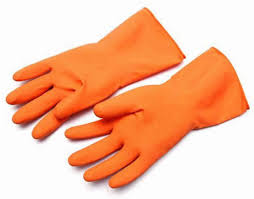 | Rubber Hand Gloves Usage/Application Industrial Color Orange Type Flock lined Pattern Plain Country of Origin Made in India These Fire Resistant Hand Gloves have been... View product → |
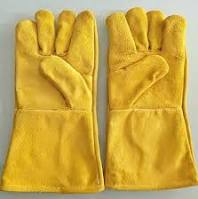 | Yellow Leather Hand Gloves Usage/Application Fire Safety Color Yellow Size All Sizes Gender Men Type Full Finger Leather Type Faux Leather, Pure Leather Material : Leather High... View product → |
Frequently asked questions
How do you match gloves to fire hydrant system work?
List the actual tasks first, such as turning handwheels, coupling hoses, using spanners, clearing debris, handling nozzles or inspecting pumps. Then assess cut, abrasion, impact, grip, wet-use and contamination hazards for each task.
What should you check on a glove’s performance markings?
Read the model label and stated test ratings for mechanical risks instead of relying on terms such as “industrial” or “fire-resistant.” Confirm that the ratings address the hazards workers face during hydrant maintenance.
What 3M glove details must you reconcile before ordering?
Confirm the exact 3M product identity, including the model or stock code, size, cuff design and pack description. Check those details against the quotation, sample and delivery documents.
How should you test gloves before accepting a bulk order?
Have workers use samples with wet hoses, handwheels, spanners, nozzles and debris. Check grip, dexterity, cuff movement, comfort, contamination handling and whether the glove remains usable after cleaning.
Which supplier documents and replacement rules should you request?
Request the product datasheet, performance markings, batch or lot information, size details and sample approval record. Agree on rejection criteria, replacement handling and what happens when delivered stock differs from the approved sample.
Related products
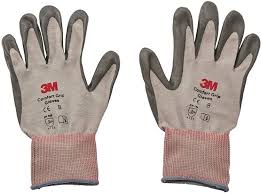 | 3M CGXL GU Comfort Grip Hand Gloves 3M CGXL GU Comfort Grip Hand Gloves Model Name/Number CGM-GU Material Nitrite Foam / Nylon Fiber Color Grey And Black Categories Safety Gloves Size Large Brand 3M Type Full Finger... View product → |
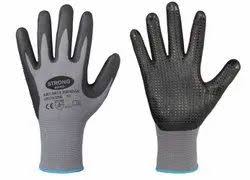 | Stronghand 0613 Handan Working Gloves Stronghand 0613 Handan Working Gloves Size Medium Finger Type Full Fingered Cuff Length 7 inch Color Black And Grey Brand Stronghand Material 90% Nylon, 10% Lycra Country of Origin Made... View product → |
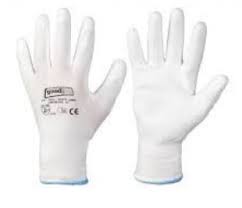 | Goodjob White Grip 0701 PU Coated Knitted Hand Gloves Goodjob White Grip 0701 PU Coated Knitted Hand Gloves Country of Origin Made in India Brand Good Job Color White Type Full Finger Standard EN 388(4.1.3.1), CE Liner 100% Polyester Coating... View product → |
Keywords