A school cannot become fire-safe by buying a jacket, a helmet or a single extinguisher. You need a site-specific equipment plan, correctly specified responder PPE, reliable maintenance and drills that move every pupil, visitor and staff member to safety; this guide shows how to build and verify that plan in Nagpur.
Key takeaways
- Survey every school area before selecting commercial fire safety equipment.
- Match extinguishers and controls to electrical, cooking, laboratory and combustible-material hazards.
- Specify jackets by heat exposure, certification, closure design, sizing and fit testing.
- Demand approval records, inspection schedules, refill support and service documentation from suppliers.
Start with a school fire-risk survey, not a product list
Start with a site survey, not a catalogue: commercial fire safety equipment for a school in Nagpur must match the building, hazards and evacuation plan. Inspect classrooms, laboratories, kitchens, workshops, electrical rooms, auditoriums, hostels, libraries, stores, buses and assembly areas.
Record occupancy, floor area, building height, exit width, travel paths, fire doors, electrical loads, cooking fuels, chemicals, water supply, and the needs of children or staff with disabilities.
1. Install or verify automatic smoke or heat detection, manual call points, audible and visual notification, emergency lighting, exit signs, unobstructed doors, suitable extinguishers, fire blankets and first-aid supplies. Commission the alarm, test standby power and keep maintenance records; detectors alone do not prove coverage.
2. Add hose reels, hydrants, evacuation chairs or escape sets only when the building assessment and evacuation plan demonstrates their need. Select extinguishers for the hazards: suitable agents for Class A materials, flammable liquids, gases and electrical equipment, plus wet chemical extinguishers for cooking oil. Never use water on energised equipment.
3. Give students evacuation instructions, not firefighting assignments. Staff may tackle a small fire only after raising the alarm, calling emergency services, selecting the correct extinguisher and keeping a clear escape route behind them. A fire safety jacket protects a trained responder for a defined exposure; it does not make building entry safe.
Treat the schedule as site-specific school fire safety equipment in Nagpur. Check it with the Nagpur fire authority against the Maharashtra Fire Prevention and Life Safety Measures Act, 2006 and National Building Code of India 2016 provisions.
Match each extinguisher and fire control to the hazard
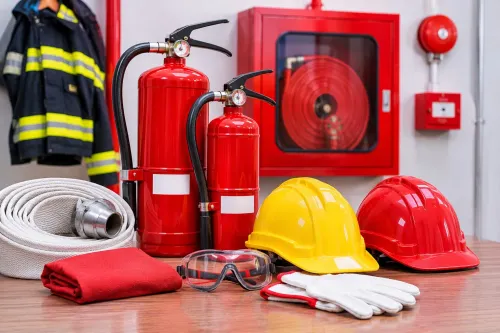
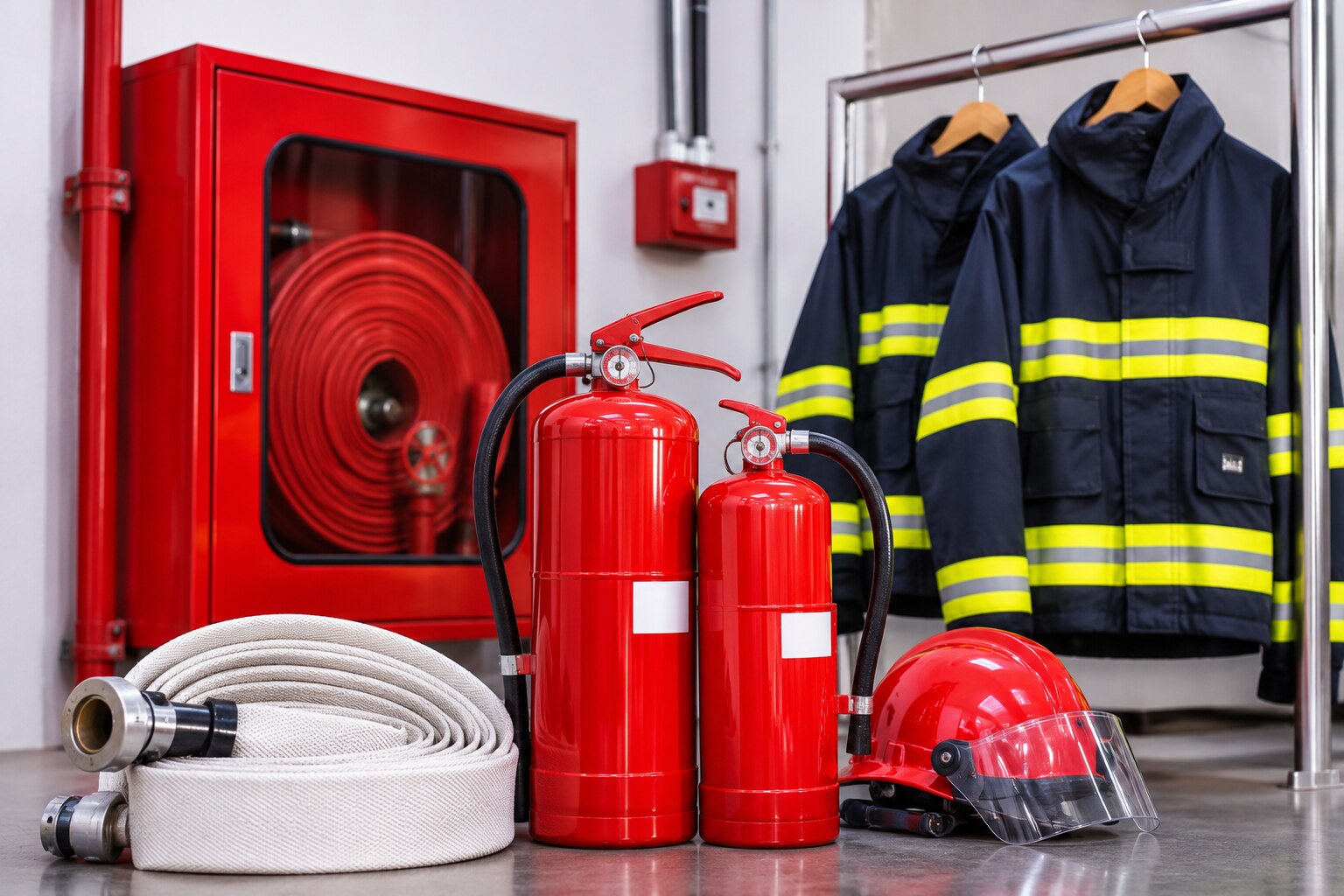
Match the agent to the hazard and place the unit where someone can reach it while retreating. A 4 kg extinguisher is not a universal school solution: commercial fire safety equipment must reflect actual fuel loads and room conditions.
| Hazard | Suitable control | School location and warning |
|---|---|---|
| Class A: paper, books, wood, textiles | Water or another extinguisher rated for ordinary combustibles | Classrooms, libraries, offices and stores; never use water on energised equipment |
| Class B: solvents, paints, fuels | Extinguisher specifically rated for flammable liquids | Laboratories, workshops and maintenance stores; isolate ignition sources if safe |
| Class C: flammable gases | Agent approved for the gas risk, with gas shut-off procedure | Science laboratories, kitchens and cylinder-storage points |
| Energised electrical equipment | Approved non-conductive agent; carbon dioxide suits selected electronic risks | Electrical rooms and computer rooms; dry powder leaves residue, obscures vision and can damage instruments |
| Cooking oil | Wet-chemical extinguisher and safe fuel shut-off | Kitchens; never throw water onto burning oil |
Keep extinguishers visible, unobstructed and close to exits or identified hazards, but not inside the room where fire could trap the user. Apply the current edition of IS 2190 and the manufacturer’s instructions for mounting height, travel distance and floor coverage.
Provide fire blankets near kitchens and laboratories only for trained users. Inspect pressure, weight, hose, pin, seal, label and damage; arrange competent servicing, recharge after discharge and documented pressure testing. Carbon dioxide provides limited cooling and is unsafe to rely on in a confined, poorly ventilated room.
Specify a fire safety jacket by exposure, certification and fit
A fire safety jacket for schools in Nagpur must be specified by wearer, task and exposure—not by the word “fireproof.” A trained responder tackling an incipient outdoor fire, a maintenance worker near heat, a kitchen worker and a structural firefighter entering a burning building need different garments.
- A sleeveless jacket or reflective boiler suit suits visibility or limited work exposure.
- An aluminised jacket reflects radiant heat but is not automatically suitable for direct flame or building entry.
- A certified turnout coat belongs with matching trousers and a complete structural ensemble.
- A fire jacket for institutions is not interchangeable across these roles.
2. Request the technical datasheet and exact model label. Check intended exposure, fabric construction, flame-spread result, after-flame, afterglow, heat-transfer rating, seam performance, dimensional stability, cleaning limits and size range. Do not accept “fireproof” as evidence.
3. Where EN 469, ISO 11999 or NFPA 1971 applies, record the edition, performance level, test report and whether certification covers the jacket alone or the complete ensemble. A jacket cannot replace compatible trousers, gloves, boots, helmet, eye protection or respiratory protection.
4. Measure each wearer’s chest and garment length, then test movement, closures, sleeve coverage and compatibility with gloves, helmet and breathing apparatus. Stock sizes for children, women and staff beyond one medium size. Define authorised users, training, donning and supervision; no jacket authorises entry into a smoke-filled room.
Make evacuation, drills and maintenance the operating system
Equipment becomes a working emergency system only when every alarm, exit and staff action has a written procedure and a tested owner.
A school fire safety equipment in Nagpur plan must tell people to raise the alarm, call emergency services, shut kitchen gas or machinery only when safe, assist mobility-impaired occupants, leave belongings, avoid re-entry and report to a controlled assembly point.
Test alarm audibility in classrooms, toilets, stairwells, workshops and noisy areas. Add visual notification where the risk assessment requires it. Assign staff to sweep zones, manage visitors, carry class registers and complete roll calls without delaying evacuation.
Record every drill, including:
- Date, alarm performance, evacuation time and assembly-point roll call
- Missing-person controls, congestion and emergency-service access
- Corrective actions, named owners and completion dates
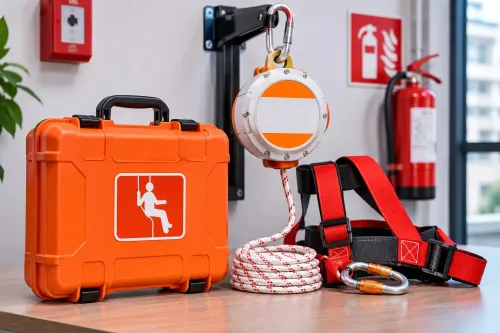
Treat evacuation chairs and escape respirators or ELSA sets as specialist equipment. Authorise named users and train them on escape-only duration, cylinder pressure, hood or mask fit and storage; never use an escape set to enter a fire.
Keep a maintenance log for detectors, manual call points, alarm batteries, emergency-light duration, exit doors, hydrant and hose flow, extinguisher pressure or weight, seals and labels. Staff can perform visual checks, but competent service providers must conduct specialist testing, recharge, repairs and certification.
Store PPE clean, dry and accessible outside fire-affected rooms, away from sunlight, oils and chemicals.
Compare suppliers on approval evidence and lifecycle support
Buy on documented lifecycle support, not the lowest invoice: require a written quotation with model number, manufacturing date, batch or serial number, applicable Indian or international standard, certificate scope, warranty, installation, commissioning, training, refill arrangements, response time, annual maintenance and disposal of discharged agents.
Ask every Nagpur supplier for:
- The local fire department’s fire-safety certificate or no-objection certificate, where applicable.
- Evidence that the certificate covers the supplied model and intended use.
- A written policy for the fire jacket for institutions covering authorised users, cleaning, storage, inspection and retirement.
| Supplier evidence | Acceptable proof | Reject or query |
|---|---|---|
| Premises approval | Fire authority certificate or fire NOC for the school | Invoice, extinguisher certificate or jacket test report |
| Jacket compliance | Model-specific label, test report, standard edition and scope | “Fireproof” claim without performance evidence |
| Service commitment | Commissioning record, annual maintenance terms and response time | Verbal promise or undefined warranty |
At acceptance, compare labels and certificates with the purchase specification. Fit the jacket on the intended wearer and check closures, seams, reflective trim, contamination, storage condition and compatibility with gloves or breathing apparatus. Record every defect.
Withdraw equipment after burned or charred garments, chemical contamination, cracked helmet shells, damaged straps, failed pressure tests, expired cartridges, missing seals or illegible labels. Budget for surveying, mounting, signage, training, drills, inspections, refilling, parts, laundering, decontamination and recertification.
Rahul Trading can coordinate commercial fire safety equipment, fire safety jacket in Nagpur installation and servicing, but demand identical evidence from any vendor. Keep the equipment register, service reports, drill register and corrective-action log ready for inspection.
Related products
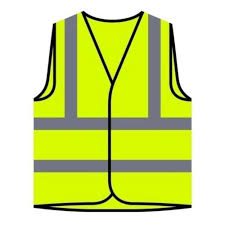 | Fire Safety Jacket Color Green Usage/Application Construction Material Polyester Size Medium Sleeves Type Without Sleeves Pattern Plain In basic firefighting... View product → |
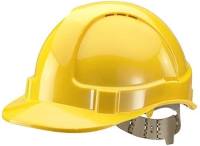 | Fire Safety Helmet Usage/Application Fire Safety, Industrial Gender Men Color Yellow Country of Origin Made in India Made of specially formulated polymer with triple... View product → |
Frequently asked questions
Why should a school conduct a fire-risk survey before buying equipment?
A survey identifies hazards and evacuation needs in classrooms, laboratories, kitchens, workshops, electrical rooms, auditoriums, hostels, libraries, stores, buses and assembly areas. It prevents unsuitable equipment from being installed in the wrong location.
How do you match fire extinguishers to school hazards?
Choose extinguishers according to the fuel involved: water for ordinary combustibles where electrical or liquid-fuel risks are absent, carbon dioxide for energised electrical equipment, dry powder for selected flammable-liquid and electrical risks, and wet chemical units for commercial cooking oils. Confirm the extinguisher rating and placement with the site risk assessment.
What should a school check when specifying a fire safety jacket?
Define the exposure first, then check the jacket’s heat or flame rating, certification documents, garment construction, closures, visibility, size range, mobility and compatibility with gloves, helmets and other PPE. A jacket designed for one exposure is not automatically suitable for another.
What makes fire drills and maintenance part of a school’s fire protection system?
Staff and students need practiced escape routes, accessible exits, assembly-point accountability and role assignments. Keep inspection tags, servicing records, alarm tests, emergency-light checks, drill reports and corrective actions in a controlled record.
How should a school compare fire safety equipment suppliers in Nagpur?
Ask for model-specific approval or test evidence, invoices and batch details, installation records, inspection schedules, refill arrangements, response times, warranty terms and training support. Compare lifecycle service rather than purchase price alone.
Related products
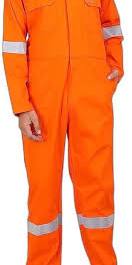 | Safety Boiler Suit Product Type Overalls Material Polyester Usage/Application Safety Wear Type Reflective Color Orange Ideal for Food Industry, Manufacturing Units,... View product → |
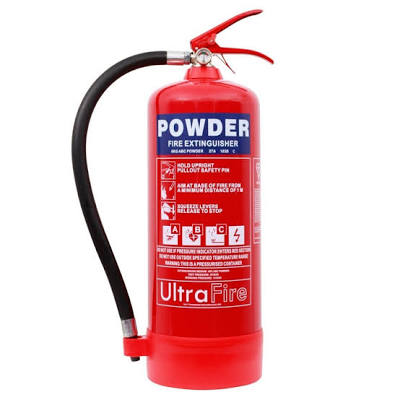 | Fire Extinguishers Type Fire Extinguishers Capacity 4 Kg Fire Class Class A Material Mild Steel Usage/Application Fire Fighting Country of Origin Made in India 4kg Dry... View product → |
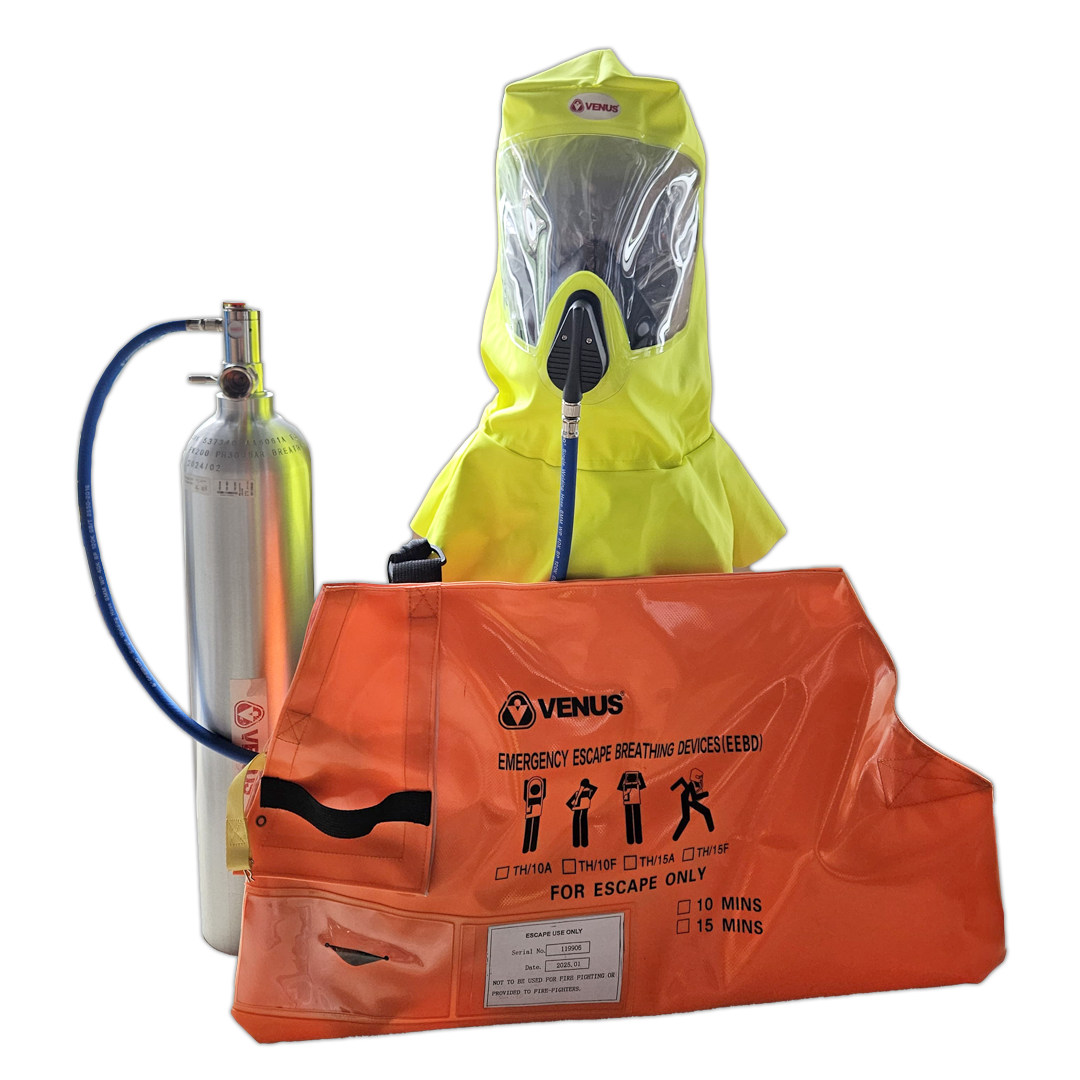 | Emergency Life Support Apparatus- ELSA Escape Set Emergency Life Support Apparatus- ELSA Escape Set ELSA-V15 Item# 110377301 *PESO Approved Including aluminium cylinder 3L, Air pipe, protective hood, carry bag, cylinder valve, Silicon half mask... View product → |
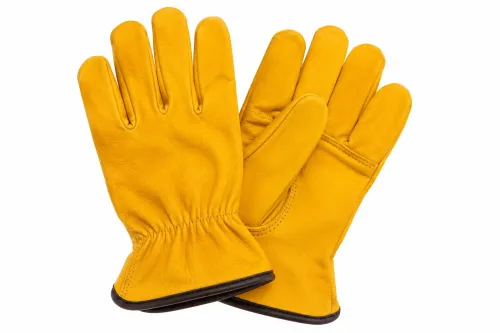
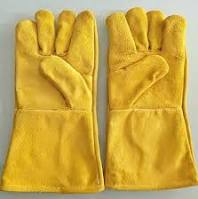 | Yellow Leather Hand Gloves Usage/Application Fire Safety Color Yellow Size All Sizes Gender Men Type Full Finger Leather Type Faux Leather, Pure Leather Material : Leather High... View product → |
Keywords