An emergency can expose weaknesses in workplace preparation within seconds. Blocked access, missing equipment, poor visibility, unfamiliar procedures, plus neglected inspections can make an already difficult situation more complicated.
Understanding Emergency Fire Safety Equipment helps facility owners create a more organised response plan before an incident occurs.
Emergency Equipment Serves Different Purposes
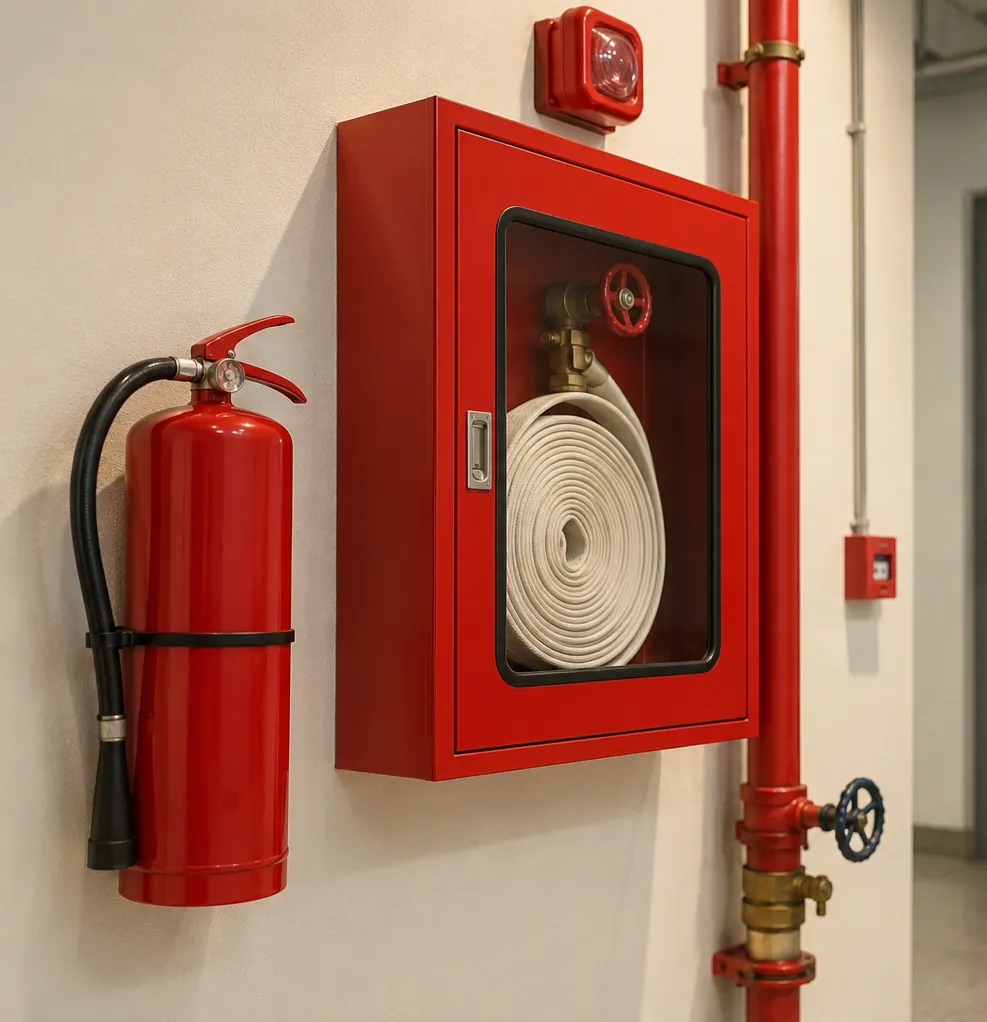
Safety equipment should not be viewed as a single category with one function. Different products can support detection, warning, initial response, evacuation, personnel protection, plus emergency coordination.
A facility may therefore need several layers of preparation depending on its size, occupancy, activities, plus risk profile.
Early Warning Is Critical
People need to become aware of a potential incident as early as practical. Detection plus warning devices can support rapid communication across occupied premises.
This becomes particularly important in:
- Schools
- Hospitals
- Hotels
- Warehouses
- Office buildings
- Industrial premises
- Residential societies
- Commercial complexes
Warning arrangements should be audible, visible where necessary, plus appropriate for the building's operating environment.
Initial Response Equipment
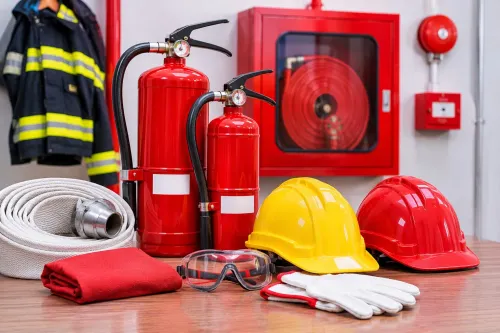
Certain products may support trained personnel during an early-stage incident when circumstances permit safe intervention.
However, equipment should never encourage unsafe actions. Evacuation procedures plus professional emergency response remain critical whenever conditions become dangerous.
The correct equipment category depends on the hazard present, making site assessment important.
Evacuation Support
People need clearly understood routes to leave affected areas safely. Emergency preparedness can therefore include products plus arrangements that support route identification, emergency visibility, plus orderly evacuation.
Exit routes should remain free from stored materials, furniture, temporary equipment, construction debris, plus locked obstructions.
Periodic inspections can identify problems before they interfere with an actual evacuation.
Personnel Protection
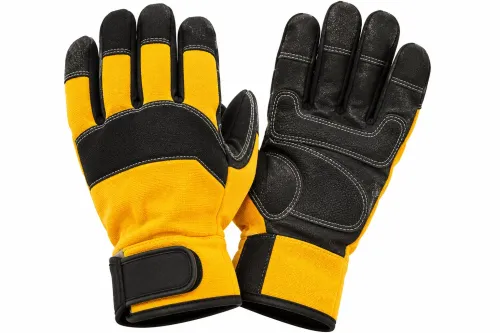
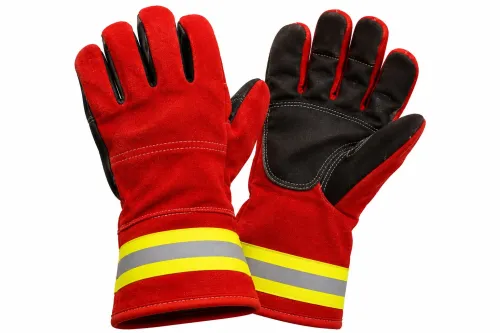
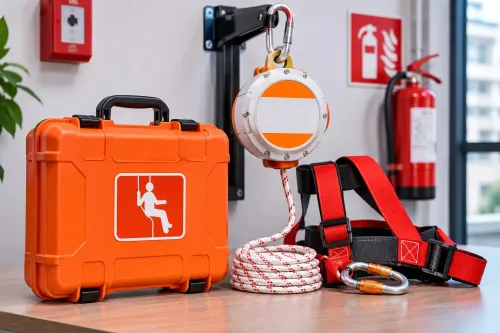
Some workplaces involve elevated exposure to industrial hazards. Appropriate protective products can support trained emergency personnel performing designated duties.
Selection should be based on the tasks involved plus recognised safety requirements. Generic protective items should not automatically be assumed suitable for every emergency situation.
Equipment Placement Requires Planning
A common mistake is purchasing appropriate products but positioning them poorly.
Emergency products should generally remain:
- Easy to identify
- Accessible
- Protected from unnecessary damage
- Positioned according to the site plan
- Included in routine inspections
Changes to building layouts should trigger another review. New partitions, storage racks, machinery, furniture, plus temporary structures can alter accessibility.
Inspection Keeps Preparation Functional
Equipment that has not been checked for long periods may create false confidence.
Facilities should establish inspection responsibilities rather than waiting until a scheduled audit reveals neglected items.
Records can include inspection dates, servicing details, observations, replacement information, plus responsible personnel.
Local Considerations for Nagpur Businesses
Factories, logistics facilities, schools, hospitals, hotels, offices, plus residential developments across Nagpur, Maharashtra, can have significantly different emergency requirements.
Climate, dust exposure, industrial activity, occupancy, plus building design may also influence equipment suitability.
Rahul Trading supports local organisations seeking safety products for different workplace applications. Buyers should provide relevant site information when discussing requirements so product selection can reflect actual operating conditions.
Preparedness Is More Than Purchasing Equipment
A well-equipped property can still face difficulties when employees do not know emergency procedures.
Regular drills, clear responsibilities, accessible evacuation routes, updated contact information, plus basic staff awareness should support physical safety products.
Management teams can periodically ask a simple question: if an incident occurred today, would people know what to do?
That question often reveals practical gaps.
Effective use of Emergency Fire Safety Equipment depends on readiness before an emergency, not decisions made during one. Suitable products, appropriate placement, periodic checks, clear evacuation planning, plus staff awareness together create a more dependable approach to workplace emergency preparation.
Keywords