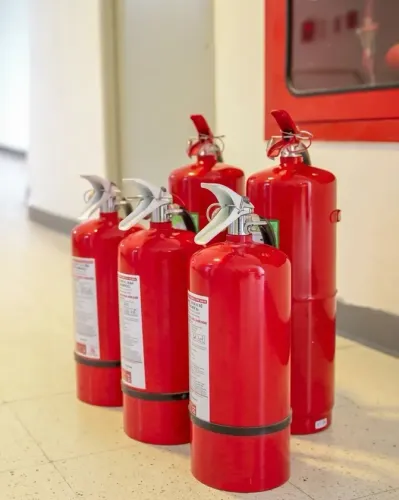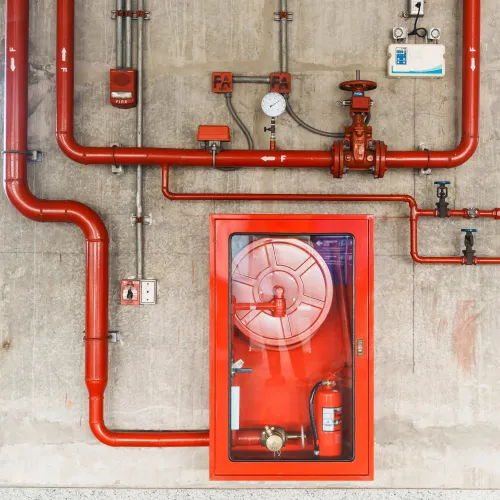


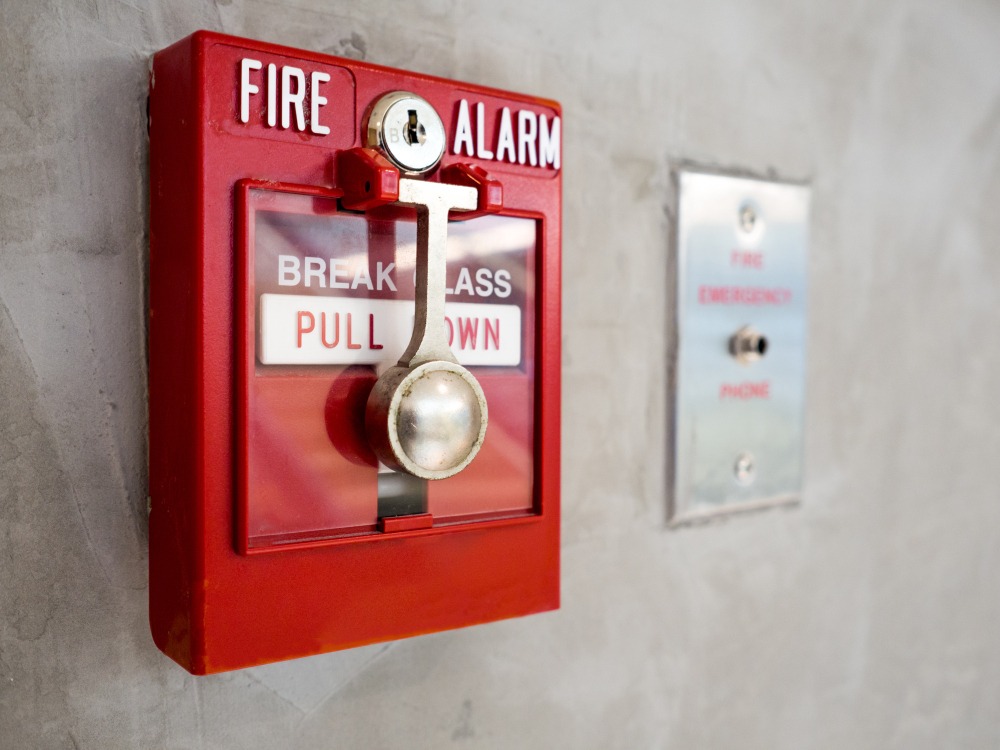
Early detection can significantly improve a building's ability to respond to a potential fire incident. A properly planned Fire Alarm System in Nagpur can help alert occupants so established emergency procedures can begin quickly.
For property managers, factory owners, hospitals, schools, hotels, offices, warehouses, plus residential societies, understanding how these systems work is useful before making installation decisions.
What Does a Fire Alarm Arrangement Do?
The primary purpose is to identify relevant warning conditions, then communicate an alert across the premises.
Depending on the system design, different components may perform detection, manual activation, notification, monitoring, plus control functions.
The exact configuration depends on factors such as:
- Property size
- Building layout
- Number of floors
- Occupancy
- Operational activities
- Environmental conditions
- Identified hazards
- Applicable safety requirements
A small office naturally has different requirements from a large manufacturing plant.
Detection Needs to Match the Environment
Different areas within the same property can experience different normal conditions.
A production zone may contain dust. A kitchen may experience heat plus vapour. An office generally has a comparatively controlled environment. Warehouses can have high ceilings plus large open storage spaces.
These conditions matter when planning detection.
Using unsuitable devices can reduce practical effectiveness, create unnecessary alerts, plus complicate maintenance.
Warning Coverage Matters
Detection alone is not enough. Occupants must also become aware of an alert.
Building noise levels, floor configuration, room layout, occupancy, plus accessibility considerations can influence notification planning.
Factories with noisy machinery may require a different approach from schools, hospitals, offices, plus residential buildings.
Common Planning Mistakes
Several avoidable mistakes can affect long-term system performance:
- Selecting components without a site assessment
- Ignoring environmental conditions
- Poor device positioning
- Failing to account for future building changes
- Neglecting periodic testing
- Keeping incomplete maintenance records
- Allowing staff to become unfamiliar with procedures
These issues demonstrate why installation should be considered part of an ongoing safety programme.
Testing Should Become Routine
An installed system should not simply remain untouched until an emergency occurs.
Periodic testing can help identify issues involving devices, communication, power arrangements, plus other components.
Facility teams should maintain inspection records so maintenance history remains available for internal reviews.
Where specialist servicing is required, it should be handled by appropriately qualified personnel.
Fire Drills Complement Warning Systems
An alarm tells occupants that action may be necessary. It cannot replace an evacuation plan.
Employees, residents, students, hotel staff, plus other occupants should understand relevant procedures. Designated personnel should know their responsibilities during an alert.
Drills can reveal practical problems such as blocked routes, confusion regarding assembly points, plus delays in communication.
Nagpur Properties Need Site-Specific Planning
Nagpur includes industrial zones, commercial developments, healthcare facilities, educational institutions, warehouses, hotels, offices, plus residential complexes.
Rahul Trading serves customers seeking fire protection products suitable for varied premises across Nagpur, Maharashtra.
Before deciding on a configuration, buyers should provide details about building use, floor area, occupancy, existing arrangements, plus identified hazards. This creates a stronger basis for product selection.
Plan for Long-Term Operation
The most effective system is not necessarily the one with the largest number of components. It is the one designed appropriately for the property, maintained consistently, plus understood by responsible personnel.
Future renovations should also trigger a safety review because partitions, extensions, machinery, plus occupancy changes can affect coverage.
A Fire Alarm System in Nagpur should therefore be approached as a long-term safety asset. Careful assessment, suitable component selection, thoughtful positioning, periodic testing, maintenance documentation, plus staff preparedness can help businesses build a more organised response to potential fire emergencies.