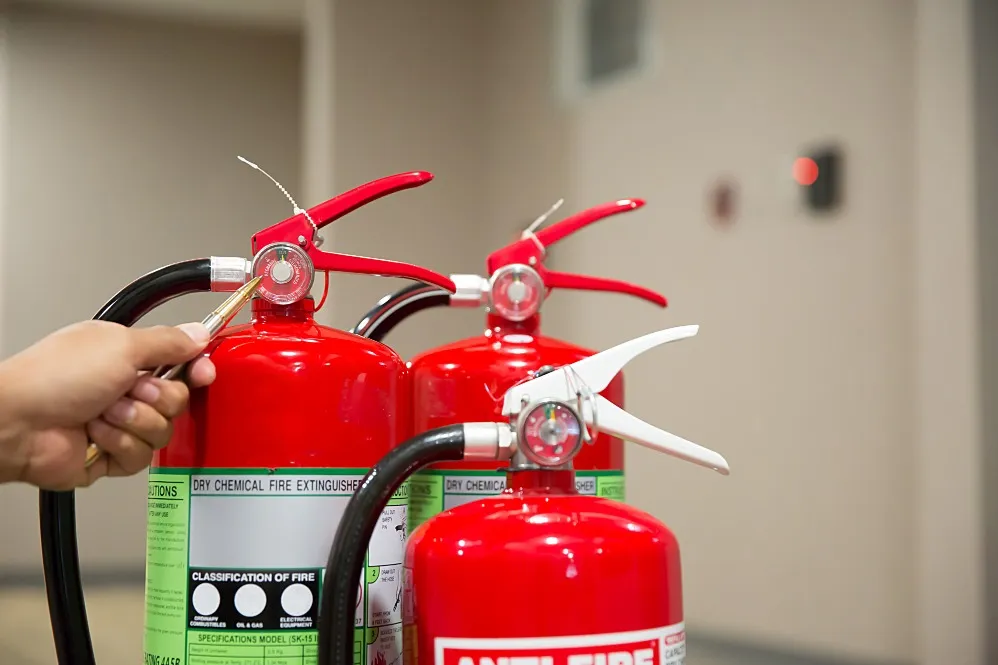
Fire incidents can develop rapidly, making appropriate equipment an important part of emergency preparedness. Understanding the main categories of firefighting products helps facility managers, purchase teams, builders, plus business owners make more informed procurement decisions.
Working with a Fire Fighting Equipment Supplier in Nagpur can help organisations identify equipment suited to the type of premises, potential hazards, building layout, plus operational environment.
Why Equipment Selection Depends on Fire Risk
Not every fire develops from the same source. Electrical installations, combustible packaging, machinery, cooking areas, flammable substances, plus ordinary solid materials can create different hazards.
For this reason, selecting equipment without first understanding potential fire sources can result in unsuitable procurement.
A basic site review should identify:
- Areas with electrical installations
- Storage sections
- Production zones
- Kitchens
- Utility rooms
- Parking areas
- Machinery locations
- High-occupancy spaces
- Emergency access routes
The findings can guide subsequent equipment planning.
Portable Equipment
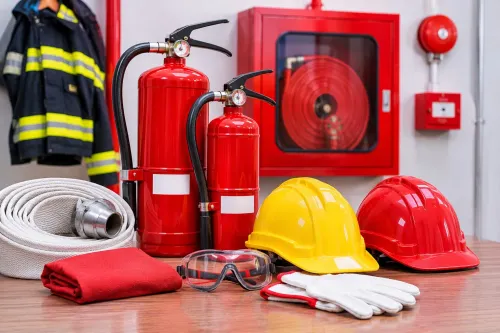
Portable firefighting products are commonly positioned at strategic locations so trained personnel can respond to certain early-stage incidents when conditions permit.
Selection needs to consider the type of hazard present rather than treating every portable unit as interchangeable.
Placement is equally important. Units should remain visible, accessible, properly identified, plus protected from avoidable damage.
Fixed Safety Arrangements
Larger commercial properties, industrial premises, warehouses, hotels, hospitals, plus multi-storey buildings may require fixed arrangements as part of their broader safety infrastructure.
Such installations need careful planning because building layout, floor area, occupancy, water availability, access, plus site configuration can influence requirements.
Professional assessment is therefore important before installation decisions are made.
Detection Plus Warning Equipment
Early awareness can give occupants valuable time to follow emergency procedures. Detection plus warning arrangements are consequently important components of many building safety plans.
The equipment chosen should suit the environment. Dust, heat, moisture, production activities, plus normal operational conditions can influence equipment selection.
Routine checks are also important because installed devices should remain functional throughout their service life.
Supporting Safety Accessories
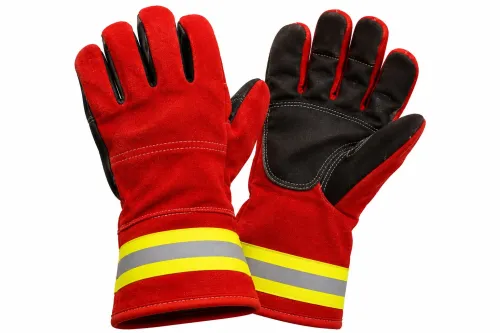
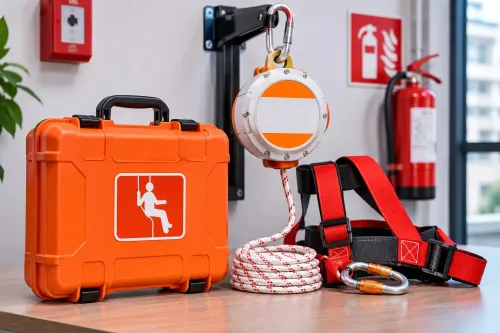
Emergency preparedness may also involve supporting products used for identification, accessibility, personnel protection, plus emergency response.
Procurement teams should avoid viewing these items as isolated purchases. Their usefulness depends on how well they fit the property's complete safety plan.
What Should Buyers Ask a Supplier?
Before placing an order, buyers can ask practical questions such as:
- Is the equipment suitable for the identified risk?
- What specifications should be checked?
- Where should the equipment typically be positioned?
- What inspection schedule applies?
- What maintenance may be required?
- When should components be replaced?
- Is the product appropriate for the operating environment?
Clear answers make comparison easier, particularly when purchasing for multiple departments.
Planning for Nagpur Facilities
Industrial growth, warehousing activity, healthcare infrastructure, educational campuses, hotels, commercial properties, plus residential developments across Nagpur create varied safety requirements.
Rahul Trading supplies firefighting products for customers across these sectors. The company can serve procurement requirements based on the nature of the property plus intended application.
Organisations should still assess their premises carefully rather than copying equipment lists from another facility.
Keep Equipment Ready After Installation
Procurement does not complete the safety process. Equipment needs periodic inspection, unobstructed access, appropriate servicing, plus replacement where necessary.
Facility teams should maintain records so upcoming inspections do not depend entirely on memory.
Employees responsible for emergency procedures should also know equipment locations plus escalation procedures.
Selecting a Fire Fighting Equipment Supplier in Nagpur is therefore one step within a larger preparedness programme. Effective protection comes from combining suitable equipment with thoughtful placement, routine inspection, staff awareness, plus responsible facility management.
Keywords