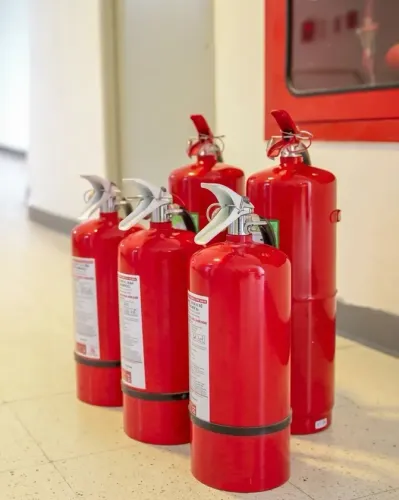


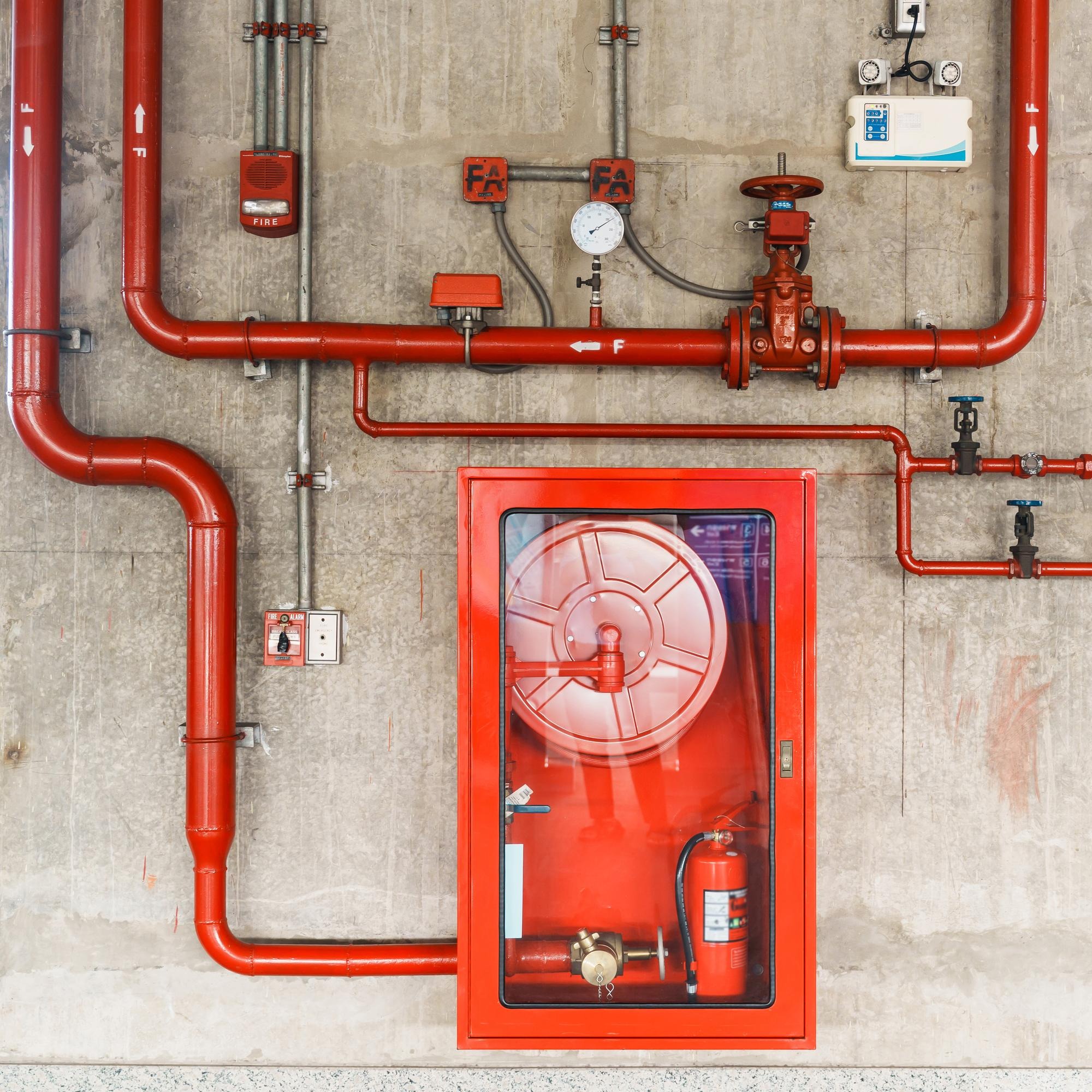
A Fire Fighting System in Nagpur should never be treated as an installation that can be forgotten once a building becomes operational. Changes in occupancy, machinery, storage, renovations, staffing, plus maintenance conditions can gradually affect emergency preparedness.
Periodic readiness reviews help facilities identify these changes before they become serious gaps.
Begin With a Physical Walkthrough
Documents provide useful information, but a physical inspection can reveal conditions that paperwork misses.
Facility teams should walk through the premises while considering emergency accessibility.
Look for blocked routes, inaccessible equipment, damaged identification, storage near critical areas, plus layout changes.
Industrial sites may need more frequent walkthroughs because production layouts can change regularly.
Review Changes Since the Last Assessment
Ask what has changed.
Has new machinery been installed? Has storage increased? Have office partitions moved? Has a new floor become occupied? Has construction work changed access routes?
Even apparently minor modifications can affect previous safety assumptions.
A review following significant building changes helps keep safety planning aligned with current conditions.
Check Equipment Accessibility
Emergency equipment needs to remain accessible.
Common obstacles include:
- Pallets
- Furniture
- Temporary displays
- Parked vehicles
- Construction materials
- Stored cartons
- Machinery
- Locked access points
Responsibility for keeping designated areas clear should be communicated to employees plus contractors.
Review Inspection Records
Maintenance records can show whether checks are happening consistently.
Missing entries, overdue servicing, repeated faults, plus unresolved observations should receive attention.
Larger facilities may benefit from assigning unique identification numbers to safety assets so records can be matched to specific locations.
Confirm Staff Responsibilities
Equipment alone does not create readiness.
Employees responsible for safety procedures should understand their roles. New staff should receive relevant orientation. Changes in personnel should not leave key responsibilities unassigned.
Emergency contact information should also remain current.
Evaluate Evacuation Practicality
Evacuation routes that worked when a building opened may become less practical after renovations plus operational changes.
Facilities should periodically review routes, exit accessibility, assembly arrangements, plus communication procedures.
Drills can reveal congestion, confusion, plus delays that may not be obvious during routine operations.
Consider Different Occupant Needs
Hospitals, hotels, schools, plus large commercial properties may include people unfamiliar with the building.
Some occupants may also require additional assistance during evacuation.
Emergency planning should reflect the people actually using the premises rather than assuming everyone has the same familiarity plus mobility.
Nagpur Facility Considerations
Nagpur has a broad mix of industrial facilities, warehouses, offices, hospitals, educational institutions, hotels, residential complexes, plus commercial developments.
Rahul Trading supports local organisations seeking products for workplace fire protection requirements across Nagpur, Maharashtra.
Businesses reviewing existing arrangements can use the process as an opportunity to identify outdated, inaccessible, damaged, plus insufficient equipment that may need professional attention.
Set a Review Cycle
Readiness should be reviewed periodically, not only after an incident.
Facilities can schedule internal checks according to their operational risk plus applicable requirements.
Major renovations, expansions, occupancy changes, plus new production activities should trigger additional assessments.
A well-managed Fire Fighting System in Nagpur depends on more than initial installation. Accessibility, inspection, maintenance, staff familiarity, evacuation planning, plus adaptation to changing site conditions all influence readiness. Regular reviews help organisations identify weaknesses early, maintain clearer responsibilities, plus keep safety arrangements relevant to the property as it evolves.