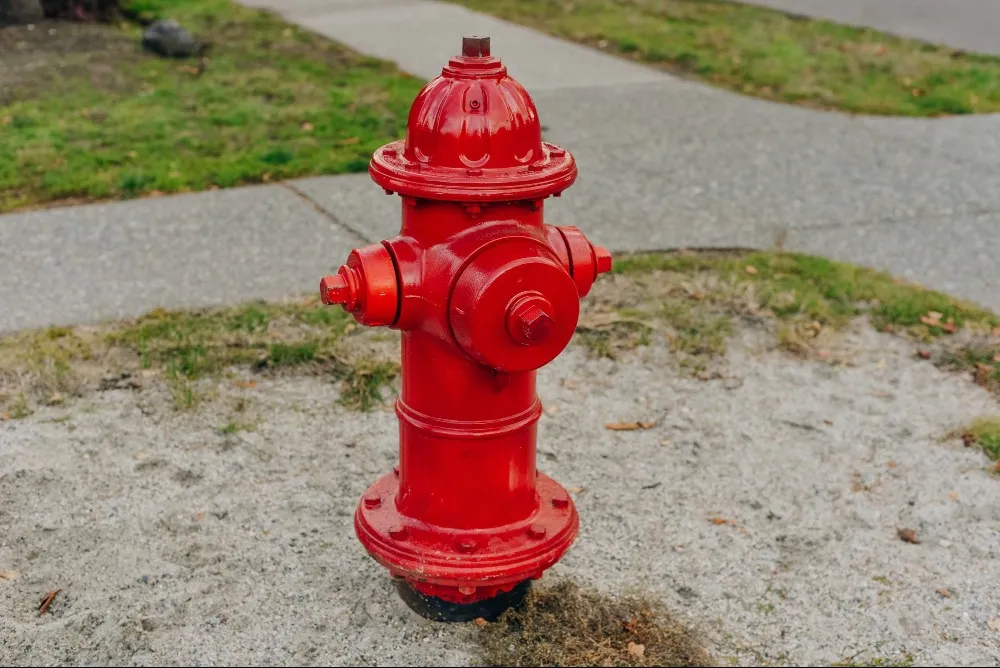
Large properties often require a structured approach to fire protection because emergency response may need to cover multiple floors, extensive operational areas, plus high-risk sections. A Fire Hydrant System in Nagpur can form part of this broader protection strategy for suitable premises.
Before investing, property owners should understand that a hydrant arrangement is more than a collection of pipes plus outlets. Its effectiveness depends on planning, hydraulic considerations, component selection, installation quality, testing, plus maintenance.
Begin With Property Assessment
The first step is understanding the premises.
Important considerations include:
- Total built-up area
- Building height
- Floor layout
- Occupancy
- Industrial processes
- Storage conditions
- Available water arrangements
- Emergency vehicle access
- Existing safety infrastructure
These factors influence system planning.
A warehouse with large storage areas may have different requirements from a hospital, hotel, factory, commercial complex, plus residential tower.
Understand the Main Functional Elements
Hydrant arrangements generally involve interconnected components that enable water to be supplied to designated firefighting points.
The exact configuration depends on site requirements plus applicable design considerations.
Rather than purchasing individual components independently, buyers should understand how each element fits into the complete arrangement. Compatibility is particularly important because system performance depends on components functioning together.
Pressure Plus Water Availability Matter
A hydrant arrangement needs appropriate water availability plus delivery capability.
This makes technical planning important. Pipe layout, pumping arrangements, storage capacity, elevation, plus distance can influence performance.
Guessing these requirements from another building's installation can lead to poor decisions.
Professional design assessment should therefore precede major procurement.
Compare Quality Beyond Purchase Price
When evaluating products, initial cost is only one consideration.
Buyers should also review:
- Material specifications
- Product compatibility
- Durability
- Maintenance requirements
- Ease of inspection
- Availability of replacement components
- Suitability for site conditions
A lower initial quotation may not provide better long-term value when maintenance difficulty plus replacement frequency are considered.
Installation Is Only the Beginning
After installation, the arrangement needs routine attention.
Valves, pumps, outlets, hoses, piping, plus supporting components should be inspected according to appropriate schedules.
Records help facility teams understand what was checked, when maintenance occurred, plus which issues need follow-up.
This is particularly useful for facilities with several buildings.
Avoid Accessibility Problems
Emergency access points should remain usable.
Storage materials, parked vehicles, construction work, furniture, landscaping changes, plus temporary structures should not interfere with designated access.
Warehouses plus industrial facilities need particular attention because operational layouts can change frequently.
Planning for Nagpur Conditions
Commercial growth across Nagpur, Maharashtra, has created diverse requirements among warehouses, factories, hospitals, hotels, educational campuses, residential developments, plus business premises.
Rahul Trading supports local buyers seeking suitable fire protection products for their facility requirements.
Procurement teams should provide accurate site information instead of requesting generic product lists. Details about building use, size, existing infrastructure, plus operating conditions help create more meaningful purchasing discussions.
Evaluate Long-Term Readiness
Before considering the project complete, facility managers should verify that inspection responsibilities have been assigned.
Staff responsible for emergency preparedness should understand the relevant access points plus procedures. Periodic drills can also help test whether site arrangements remain practical.
Building modifications should trigger another review because extensions, partitions, additional storage, plus changed occupancy can affect previous assumptions.
Selecting a Fire Hydrant System in Nagpur requires more than comparing quotations. Site assessment, suitable design, compatible components, reliable installation, periodic testing, plus disciplined maintenance all contribute to long-term readiness. Businesses that evaluate these factors before purchasing are better positioned to create a practical fire protection arrangement suited to their premises.
Keywords