
Modern offices contain computers, electrical panels, chargers, printers, servers, pantry appliances, furniture, paper records, plus other materials that can contribute to workplace fire risk. Even offices without industrial processes need structured emergency planning.
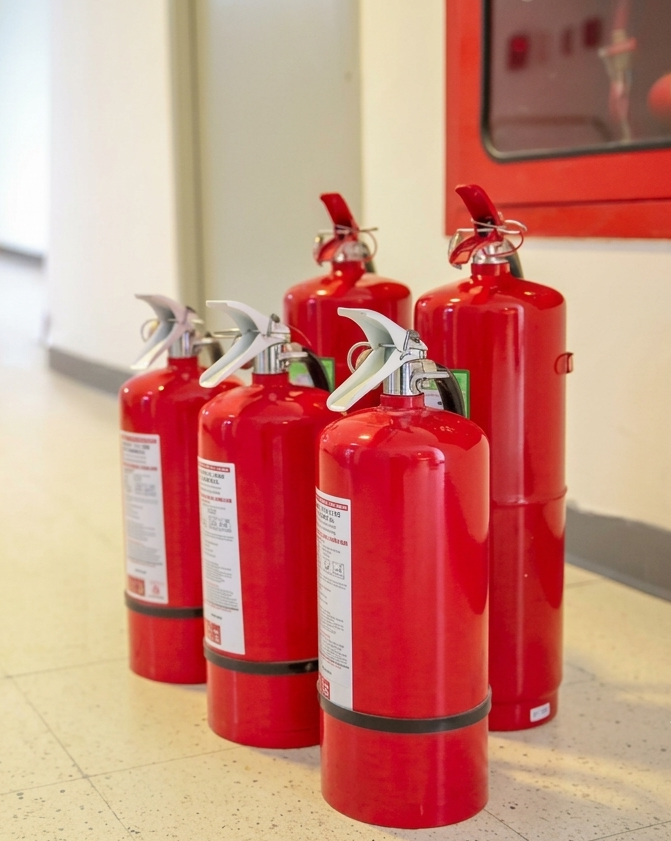
Selecting suitable Fire Safety Equipment for Offices begins with understanding the building rather than purchasing a generic set of products.
Assess Office Risk Areas
Start by identifying locations where ignition risks plus combustible materials are concentrated.
Common areas include:
- Electrical rooms
- Server rooms
- Pantry areas
- Printing sections
- Storage rooms
- UPS locations
- Reception areas
- Parking sections
- Record-storage spaces
The assessment should also consider building size, floor layout, employee count, visitor traffic, plus emergency exits.
Keep Emergency Equipment Visible
Office layouts change frequently.
New workstations, storage cabinets, partitions, decorative installations, plus furniture can unintentionally obstruct emergency equipment.
Facility managers should include accessibility in regular housekeeping inspections.
Employees should never use designated emergency areas for temporary storage.
Review Electrical Practices
Electrical equipment represents an important office risk area.
Overloaded sockets, damaged cables, inappropriate extension arrangements, plus poorly maintained equipment should be addressed through routine workplace inspections.
Only appropriately qualified personnel should handle electrical repairs.
Good housekeeping also helps prevent paper, packaging, plus other combustible materials from accumulating around electrical equipment.
Maintain Clear Exit Routes
An emergency route should be easy to follow without unnecessary obstacles.
Corridors, stairways, exits, plus designated escape routes should remain clear.
Renovations require particular attention because temporary construction materials can alter normal movement through the building.
Facility teams should review evacuation arrangements before renovated areas return to normal use.
Include Employees in Preparedness
Employees need practical knowledge, not excessive technical information.
They should know:
- How to report a suspected emergency
- What an alarm means
- Which evacuation route applies
- Where to assemble
- Who coordinates emergency procedures
- Why lifts may be restricted during certain emergencies
- Why blocked exits must be reported
Periodic drills can reinforce these procedures.
Do Not Forget Visitors
Commercial offices may receive customers, vendors, interview candidates, delivery personnel, plus contractors who do not know the building.
Reception teams plus designated staff should understand how visitors are handled during an evacuation.
Large offices may also need procedures for occupants requiring assistance.
Review Equipment Periodically
Safety products should remain part of a scheduled inspection programme.
Records can help facility teams track checks, maintenance activity, observed defects, plus corrective actions.
Any damaged, inaccessible, missing, plus questionable item should be reported promptly to the responsible person.
Office Safety Planning in Nagpur
Nagpur, Maharashtra, continues to support growing commercial activity across corporate offices, professional service firms, healthcare administration, educational organisations, hospitality businesses, plus other workplaces.
Rahul Trading serves local organisations seeking products that support workplace safety requirements.
Office administrators can discuss their building type, floor layout, occupancy, plus operational environment when evaluating suitable products.
Know When Your Office Needs a Safety Review
Several indicators suggest that a review is worthwhile.
A recent renovation is one. Significant growth in employee numbers is another. New electrical infrastructure, relocated departments, changed access routes, expired inspection schedules, plus repeated obstruction of emergency areas should also prompt attention.
Safety planning should evolve with the workplace.
Effective Fire Safety Equipment for Offices should form part of a wider readiness programme involving risk identification, appropriate product selection, accessible placement, periodic inspection, electrical safety, employee awareness, plus clear evacuation procedures.
For offices in Nagpur, maintaining these practices helps facility teams create a more organised environment where emergency responsibilities remain clear even as the workplace changes.